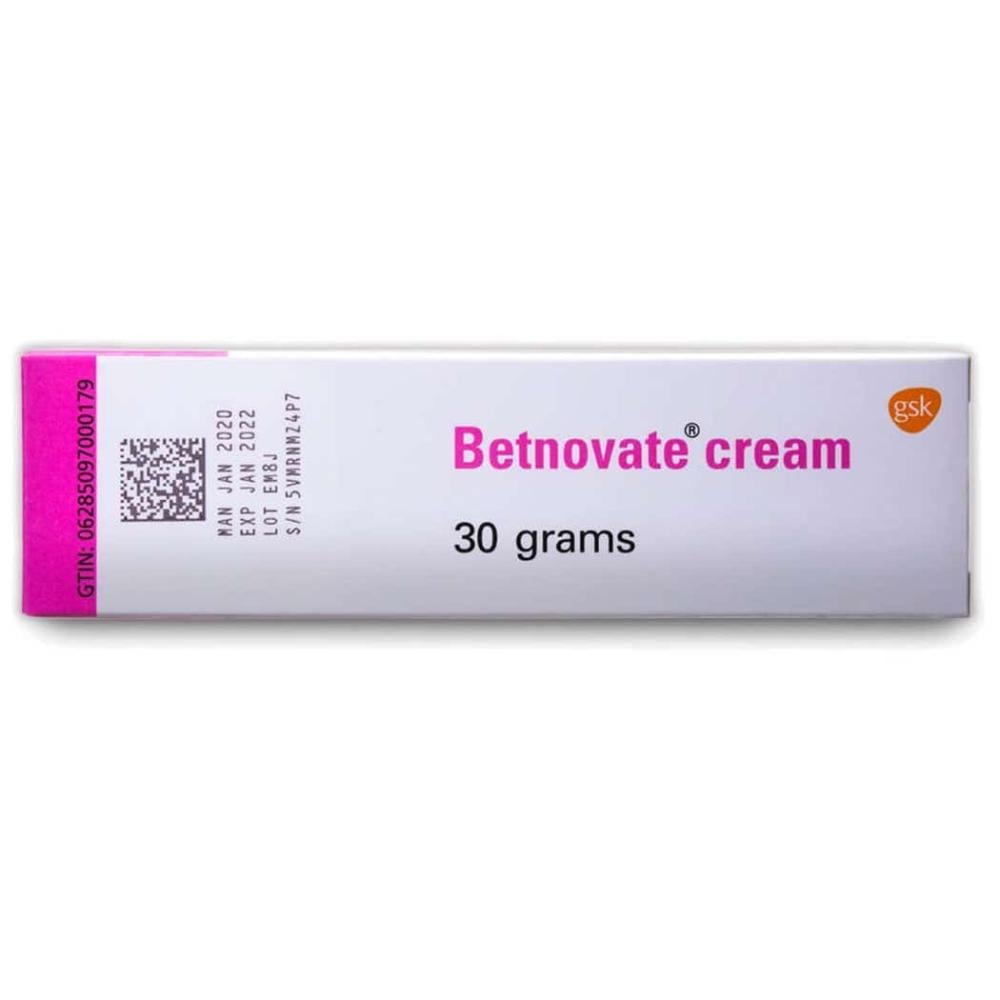
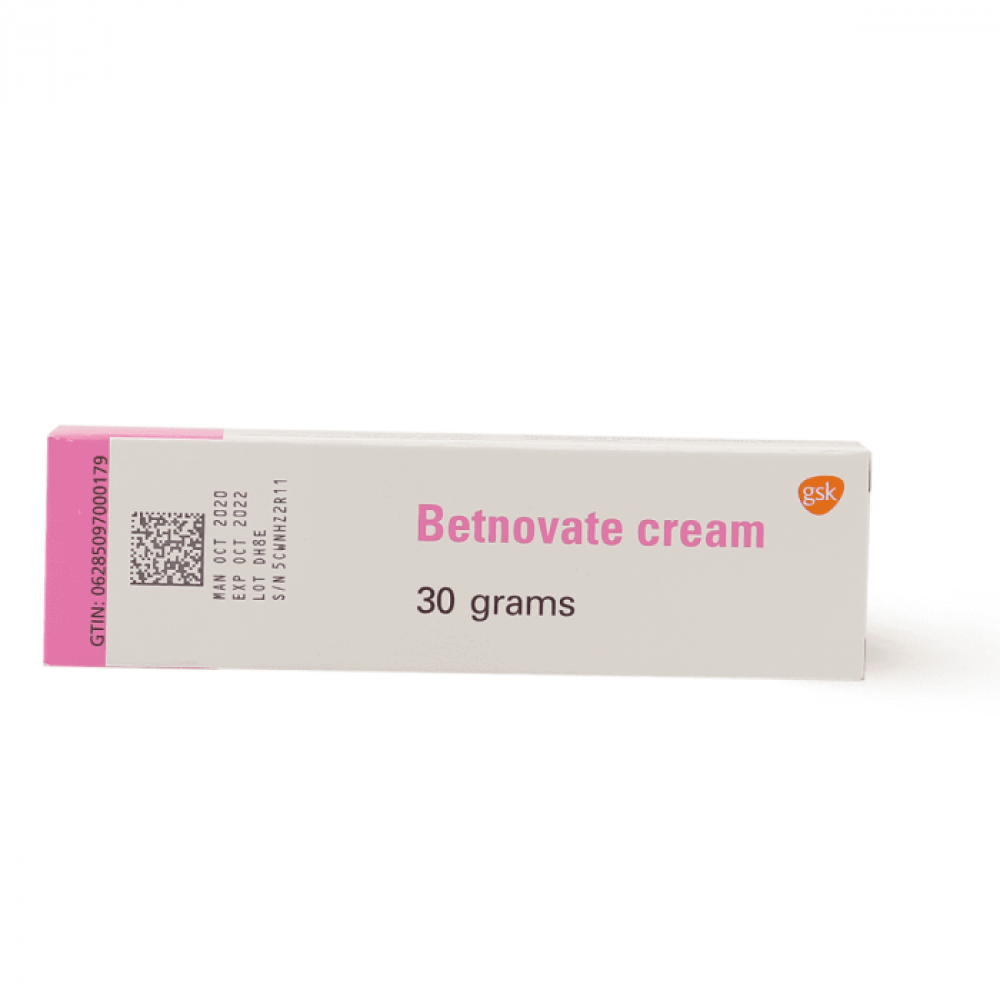
A valid prescription must be presented upon receipt of the order.
Betamethasone Valerate 0.1% Cream (30g Tube)
What is betamethasone valerate and what is it used for?
- Betamethasone valerate belongs to a class of drugs known as "topical corticosteroids" that work to reduce inflammation, itching, and redness of the skin.
- It is used to treat certain skin problems, such as eczema (a common skin disorder that causes itchy, red skin), and some types of dermatitis.
- It is available in the form of an ointment and a cream that is applied to the skin.
Do not use betamethasone valerate:
- If you are allergic to betamethasone valerate, any other corticosteroid, or any of the ingredients in this product.
- If the packaging is torn or shows signs of tampering.
- If the expiry date mentioned on the medicine container has passed.
- If you experience an allergic reaction or skin irritation when using this cream/ointment.
- If you are pregnant, planning to become pregnant, or breastfeeding.
- If you suffer from other skin problems (such as fungal or bacterial skin infections, anal or genital itching, cold sores, shingles, chickenpox, tuberculosis, skin ulcers, acne, or perioral dermatitis).
- Using this medication for other skin conditions may worsen your problem. Ask your doctor or pharmacist if you are unsure.
- If you have poor blood circulation in the skin area (to prevent skin ulcers).
- In children under one year of age, unless recommended by your doctor.
Warnings and precautions:
- Stop taking the medicine immediately and talk to your doctor or pharmacist if you experience any allergic or skin reactions to any of the ingredients in this cream/ointment, such as itchy skin, skin redness, shortness of breath, rash, swelling of the face or neck, low blood pressure, and dizziness.
- This medication is for external topical use only. Do not swallow this product.
- Avoid contact of the cream/ointment with your lips, eyes, mouth, sensitive areas of the neck, and the corners of the nose to prevent irritation. In case of accidental contact, be sure to rinse the area thoroughly with warm water and then dry it.
- Speak to your doctor immediately if you or your child are experiencing any vision problems (such as blurred vision).
- Make sure you do not use any occlusive dressings if you have a skin infection.
- Speak to your doctor before starting this medication if you are allergic to any other medications, dyes, foods, or preservatives.
- If you are pregnant, planning to become pregnant, breastfeeding, or planning to breastfeed, if you have any other health problems (especially if you have an infection).
- Make sure to tell your healthcare providers that you are using this medication.
- Talk to your doctor if your skin condition worsens, becomes inflamed, or if it does not improve.
- Speak to your doctor if you are not using this product as directed to make sure they do not switch you to another treatment thinking this medicine is not right for you.
- Do not share this medicine with anyone else, even if they have the same symptoms.
- Do not use tight diapers or plastic pants if this product is to be used in the diaper area of young children.
- Do not place this medicine under tight clothing to avoid thinning the skin.
- Do not use this medicine for a long period of time over large areas to prevent excessive absorption and subsequent unwanted side effects.
- Do not use this product for any other purpose.
Possible side effects:
- Possible side effects include allergic reactions (such as rash, itching, swelling, blisters, or peeling skin, lumpy rash, wheezing, swelling of the eyelids, lips, face and mouth, chest tightness, fainting, and difficulty breathing).
- Skin rash around the mouth area, increased hair growth, heat rash, acne, skin discoloration, stretch marks or lines on the skin and damage to hair follicles.
- Common side effects include itching, dry skin, redness, and burning. Other side effects (which are more likely to occur with prolonged use of this product on large areas of skin, especially if applied under tight bandages) include stomach ulcers, delayed wound healing, and high blood pressure.
- Eye problems (such as increased pressure in the eye known as glaucoma, cataracts and blurred vision), increased chances of infection, and acne.
- Excessive growth of facial and body hair, muscle weakness, and increased body fluids.
Other medications and betamethasone valerate:
- Tell your doctor or pharmacist if you have recently used, are using, or might use any other medicines, including topical products (such as creams, lotions, and ointments).
How to use betamethasone valerate:
Adults
- Apply a thin layer of cream/ointment and massage it gently into the affected area as directed by the doctor.
children
- This medicine is not recommended for children unless advised by your doctor.
- If the doctor recommends it, they should closely monitor the child to check for the development of any unwanted side effects.
Usage instructions:
- Wash and dry your hands before and after using the cream/ointment (do not wash your hands after using it if it is used on the skin of your hands).
- Make sure to replace the cap on the tube after using the cream/ointment to avoid leaking the medicine.
- Make sure you follow your healthcare provider's instructions.
- Make sure to keep the cream/ointment away from your eyes. In case of accidental contact, rinse your eyes thoroughly with running water for at least 10 minutes.
- Make sure not to place the cream/ointment under the bandage or plaster in order to prevent excessive absorption of the drug and subsequent unwanted side effects.
- Do not use this cream/ointment on your face unless directed by your doctor. If your skin condition does not improve after one week, be sure to contact your doctor immediately.
- Do not use this cream/ointment on skin wounds, large areas of skin, or in skin folds (such as the back of the knee) unless directed by your doctor.
- Avoid using this medicine before showering or swimming so that it does not affect its effectiveness.
- Using less of this medication than recommended may result in your skin not improving.
- Your doctor will determine how long you should use this product and may also adjust the frequency of use based on your response. This medication is associated with more side effects if used for longer periods of time.
- Do not change how you use this medicine without consulting your doctor first.
How to store betamethasone valerate:
- Keep the medicine out of the reach of children and pets (for example, a locked cabinet 1.5 meters above the ground).
- Store the medicine in a dry place below 25 degrees Celsius.
- Do not use the medicine after the expiry date stated on the cream/ointment.
- Do not dispose of medication in wastewater or household waste. Ask your pharmacist how to dispose of medications you no longer use.
- Do not leave the medicine on windowsills or in the car.
- Keep the medicine in its original packaging to protect it from moisture and light.